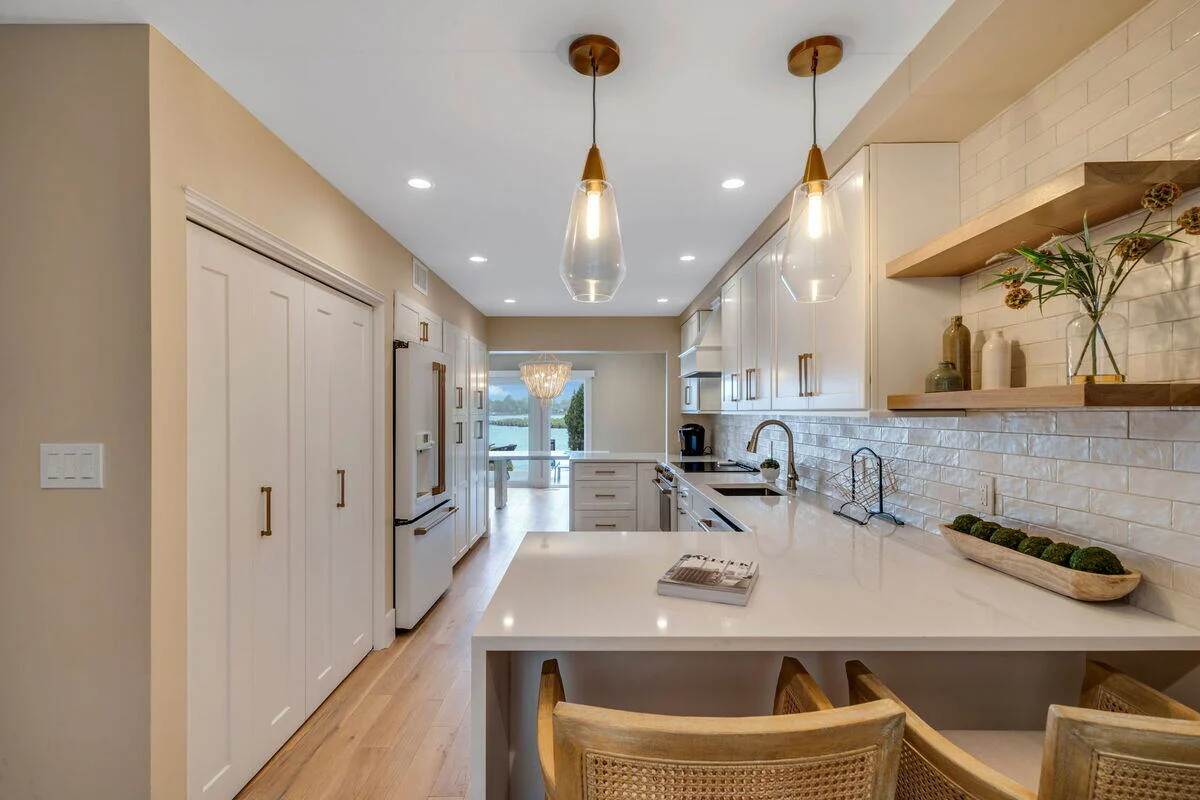
Updated September 2026. One of the most common questions we hear from Islip homeowners before a project starts: do I need a permit? The short answer is that most remodels that change plumbing, electrical, gas or structure do, and skipping a permit can cost you far more than the permit fee. This guide explains how it works in the Town of Islip, and what to check before you hire anyone.
Important: requirements change, and every project is different. Always confirm details with the Town of Islip Building Division before you start.
When a permit is usually required
In general, you need a building permit when the work:
- Moves, adds or replaces plumbing, such as relocating a sink, adding a bathroom or changing a shower drain.
- Adds or alters electrical work, such as new circuits, panel upgrades or recessed lighting runs.
- Adds or changes gas lines.
- Changes walls or structure, including removing a wall, enlarging an opening or adding a dormer.
- Adds square footage, such as a home addition, finished basement or converted garage.
- Builds an exterior structure, such as a deck or accessory building.
Purely cosmetic updates that keep everything in place, such as painting, replacing a vanity in the same spot or swapping flooring, typically do not require a permit. When in doubt, ask.
How the Town of Islip process works
- Plans and scope. Your contractor or designer prepares drawings that describe the work. Larger projects, such as additions, need detailed plans and often a survey.
- Electronic application. The Town of Islip requires building permit applications to be filed electronically through its Building Division.
- Plan review. Applications are reviewed for compliance with the New York State Uniform Code, the Town of Islip Zoning Code and local land development regulations.
- Permit issued. Work can begin once the permit is approved and posted.
- Inspections. Town inspectors check key stages, such as framing, plumbing and electrical rough-in, and do a final inspection when the work is complete.
- Close-out. After the final inspection passes, the permit is closed out, which protects you when you later sell or refinance.
The Town of Islip Building Division is located at One Manitton Court, Islip, NY 11751.
Licensing: what to ask every contractor
Permits are only one part of protecting yourself. In Suffolk County, contractors performing home improvement work must hold a Suffolk County Home Improvement Contractor license. To qualify, contractors have to pass a written exam and show proof of insurance, including general liability coverage and workers’ compensation coverage or an exemption.
Two points that surprise many homeowners:
- The home improvement license does not cover plumbing or electrical work. Those trades require their own separate licenses, so a good contractor will use licensed plumbers and electricians and pull the right permits.
- Some East End towns have their own licensing. East Hampton, Southampton and Shelter Island require their own contractor license in addition to the county license. That is not an issue in Islip, but it is worth knowing if you own property out east.
Before you sign, ask for: the contractor’s Suffolk County license number, proof of liability insurance and workers’ compensation, who will pull permits, and how inspections are scheduled. You can verify licenses with the Suffolk County Office of Consumer Affairs.
What happens if you skip the permit?
- Stop-work orders and fines if the Town learns about unpermitted work.
- Trouble at sale. Buyers’ attorneys and lenders routinely ask about permits and certificates of occupancy on finished space.
- Insurance problems. A claim related to unpermitted work can be denied.
- Safety risks. Inspections exist to catch wiring, gas and structural errors before they become hazards.
Building near the water or in another town?
Two situations change the rules. If your home is near the bay, a canal or a creek, flood zone requirements can apply, and larger projects can trigger FEMA’s 50% rule. Read remodeling a waterfront or flood-zone home. And if your home is in Babylon, Brookhaven or Huntington, the process is different from Islip’s: see how permits differ in Babylon, Brookhaven and Huntington. For Bay Shore specifically, read Home Remodeling in Bay Shore, NY.
A contractor who handles permits for you
With design-build, permitting is part of the job, not something you have to chase. At Kuhn Construction we prepare the plans, file the application, schedule inspections and keep the project moving, so you are not left managing paperwork. We have been remodeling kitchens, bathrooms, basements and additions across Suffolk and Nassau County since 1986.
Planning a project? Explore our kitchen, bathroom, basement and home addition services, or contact us to talk through your project and what it will need.
Frequently asked questions
How long does a permit take in the Town of Islip?
Timing depends on project size and the current review queue. Simple interior work moves faster than additions, which need fuller plan review. Your contractor should give you a realistic estimate up front.
Who is responsible for the permit, me or the contractor?
Usually the contractor pulls it, but the homeowner is ultimately responsible for the property. Make sure the contract says who will file and pay for it.
Do I need a permit to finish a basement?
Generally yes, especially when you add walls, electrical, plumbing or a bedroom, which also brings in egress and ceiling-height requirements.
This article is general information, not legal advice. Requirements change. Confirm current rules with the Town of Islip Building Division.